


Messenger

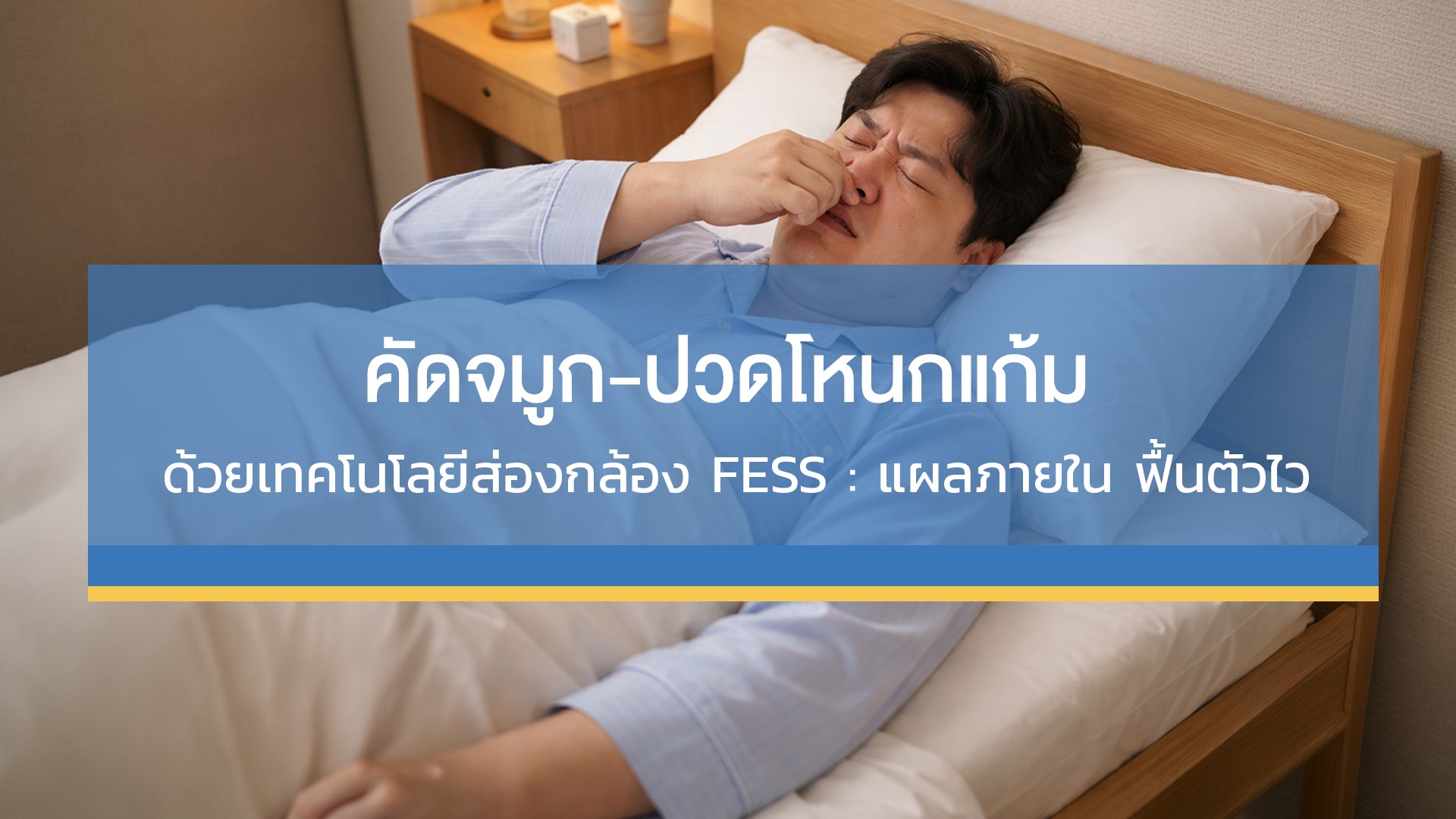
End the cycle of "nasal congestion and cheekbone pain" with FESS endoscopic technology: internal incision, faster recovery, no long hospital stay required.

April 03 / 2026

End the cycle of "nasal congestion and cheekbone pain" with FESS endoscopic technology: internal incision, faster recovery, no long hospital stay.


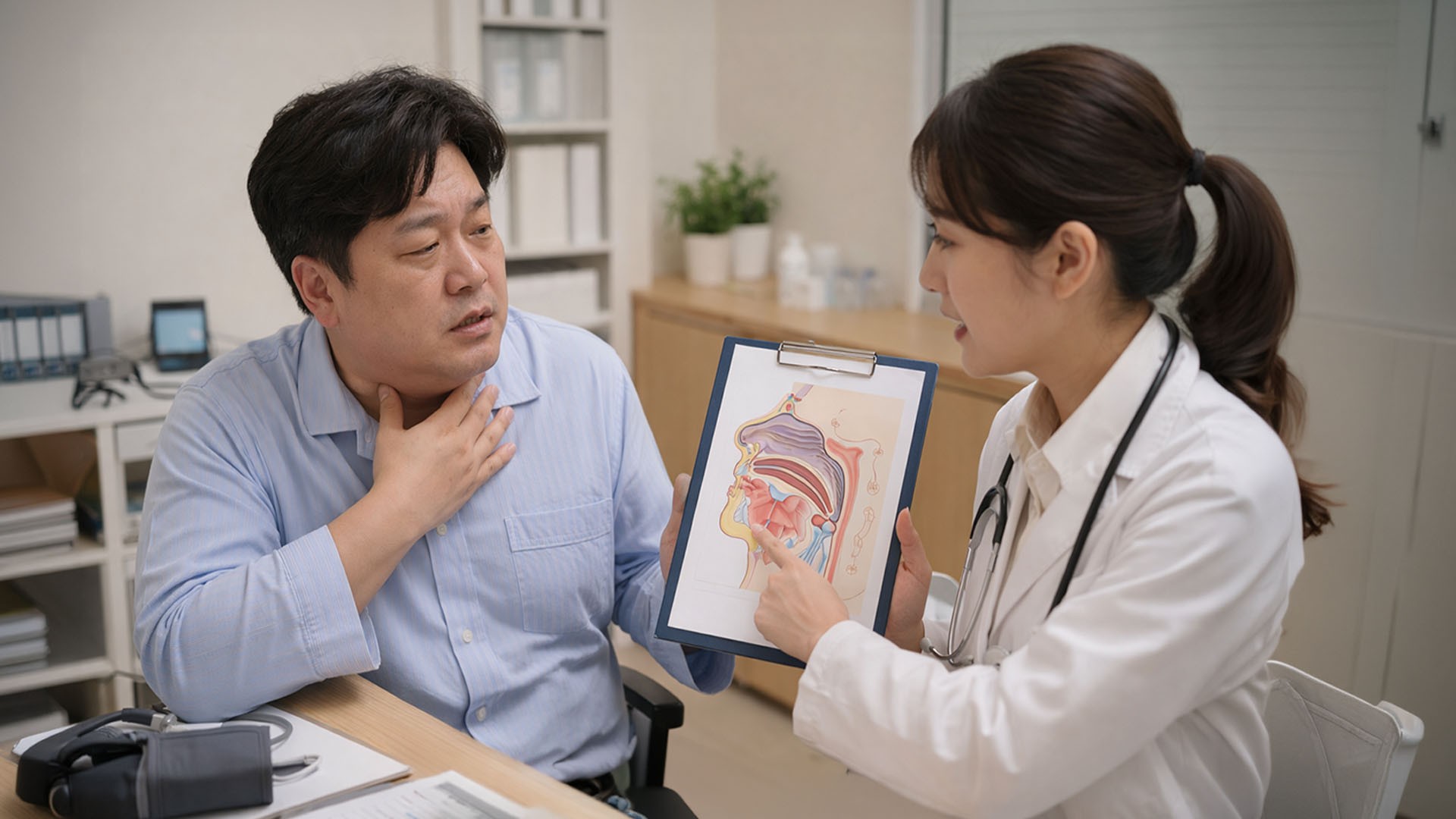
Functional Endoscopic Sinus Surgery (FESS) is a treatment for chronic sinusitis that does not respond to medication. The doctor uses a small endoscope inserted through the nostrils to expand the sinus drainage channels and remove inflamed tissue. The advantages include no facial scarring, minimal damage to surrounding healthy tissue, and patients can return to normal life more quickly, within 1-2 days.

When "Allergies" Progress to "Sinusitis"

Patients with untreated nasal allergies have up to a 40% chance of developing chronic sinusitis. When people with allergies encounter triggers (dust, pollen, animal dander), the nasal lining responds by "swelling" and producing large amounts of mucus to trap foreign particles. Normally, the sinuses (air cavities around the nose) have small drainage holes to allow mucus and air to flow into the nasal cavity. However, when the nasal lining swells as mentioned earlier and "blocks these drainage holes," the sinuses become sealed chambers. When mucus in the sinuses cannot drain properly, it accumulates and becomes a breeding ground for bacteria. The once clear nasal discharge turns into thick, yellow or green pus, creating pressure that causes pain in the cheekbones or eyebrows. This is "sinusitis."


How to recognize the signs:

  • Common allergies: Frequent sneezing, itchy eyes, clear runny nose, often in the morning or when exposed to triggers.
  • Sinusitis progression: Dull pain in the face, eyebrows, and forehead; thick yellow/green nasal discharge; decreased sense of smell or a foul odor in the nose; may also include fever.

What factors can cause persistent sinusitis?

  • Nasal structure: Deviated nasal septum or nasal polyps obstructing drainage.
  • Pollution: Living in dusty areas or exposed to cigarette smoke without protection.
  • Recurrent infections: Bacterial or fungal infections resistant to antibiotics due to incomplete course of antibiotic treatment.

FESS technology, along with supporting tools, can be used to enhance surgical effectiveness.

In the past, doctors had to make an incision under the lip or cut the facial skin to access the sinuses. However, FESS (Front Nasal Surgical Excision and Surgical Removal) is a surgical procedure performed entirely through the "nostrils," using a high-resolution endoscope. This allows doctors to clearly see nerves and blood vessels, reducing the risk of complications. The procedure is performed by a team of highly experienced specialists in the use of endoscopic technology for nasal and sinus treatments.
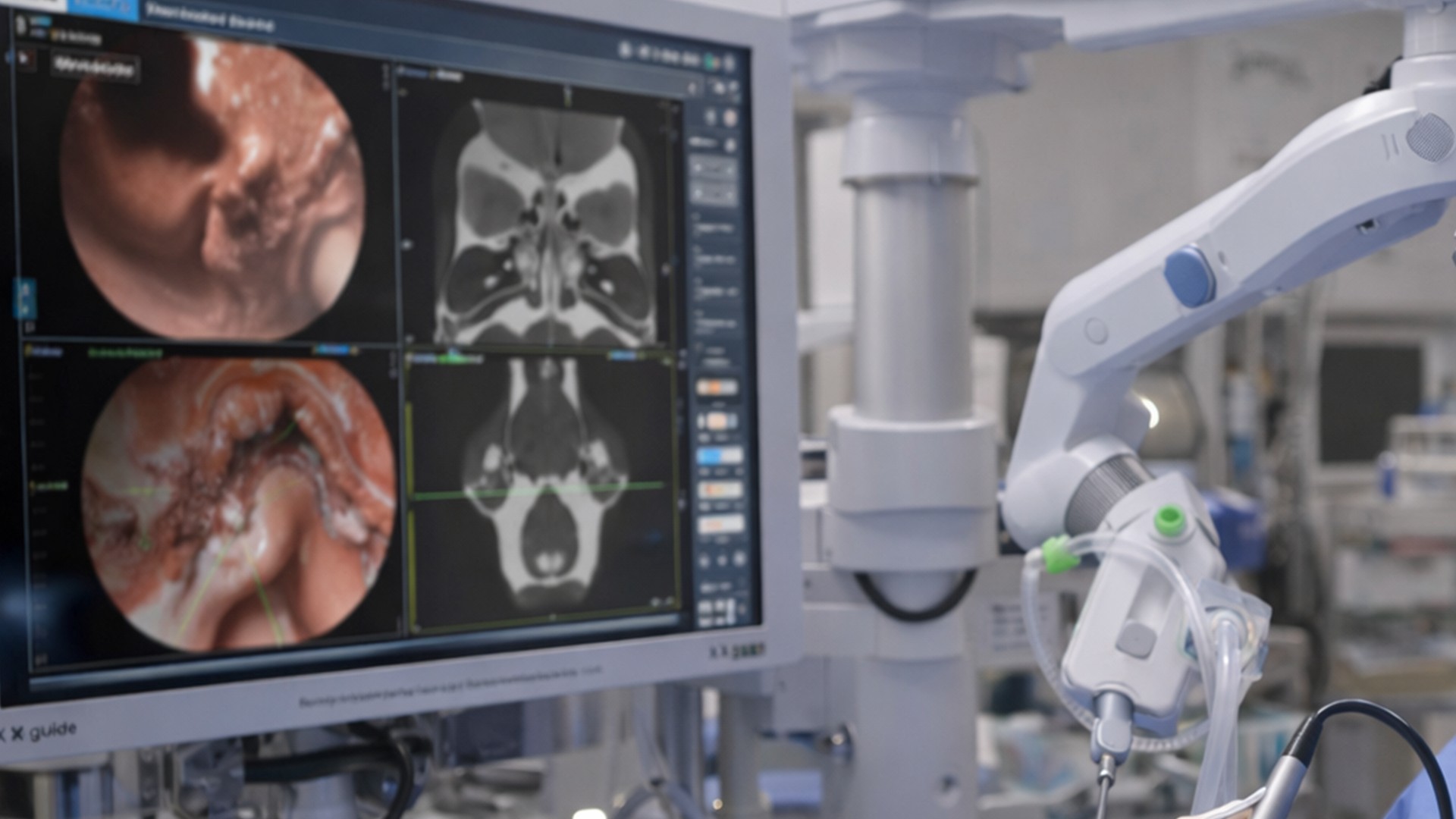


Combined with advanced technology for precise targeting:

  • High-Definition Endoscopy: A 4K high-definition endoscope provides a clear view of complex nasal pathology in every nook and cranny.
  • Microdebrider: A tool for gently cutting and suctioning inflamed tissue or nasal polyps, minimizing post-operative bruising.

Three key aspects that make FESS superior to traditional surgery:

1. Treats the "root cause" while preserving original function.
FESS focuses on preserving the original anatomy of the nose as much as possible. Doctors do not cut or destroy healthy tissue; instead, they use an endoscope and a microdebrider to "expand" constricted nasal drainage channels. When the drainage channels are open, accumulated mucus and pus drain naturally, and air can circulate freely, allowing the sinus tissue to gradually recover. 1. Spontaneous recovery without total removal.
2. "No external scars" and rapid recovery (Minimal Invasive)
Everything is done through the nostrils, eliminating facial scarring. Post-operative pain and swelling are significantly less than with traditional methods. Most patients only stay in the hospital for one night and can return to work within a few days.
3. Reduced chance of recurrence.
Treating with medication alone in patients with nasal structural abnormalities (e.g., deviated septum or polyps) is often just addressing the symptoms. FESS helps adjust the internal structure and eliminate the root cause of obstruction, making nasal sprays or nasal irrigation more effective. This significantly reduces the chance of sinusitis recurrence.

4. Post-FESS self-care instructions:

  • Avoid forceful nose blowing: During the first 1-2 weeks, there may be slight nasal noises, but avoid forceful nose blowing, as well as coughing and sneezing. Do not cover your mouth to prevent bleeding and pressure in the sinuses.

  • Regular nasal irrigation: Follow your doctor's instructions to remove blood clots and tissue debris, helping the wound dry faster. However, the nasal irrigation equipment must be clean to prevent infection.

  • Avoid dust and smoke: Avoid going into high-risk areas. However, if unavoidable, wear a PM 2.5-filtering mask every time you go outdoors.

  • Get enough rest: Avoid strenuous exercise or heavy lifting during the first week, and get enough sleep as recommended by your doctor.