


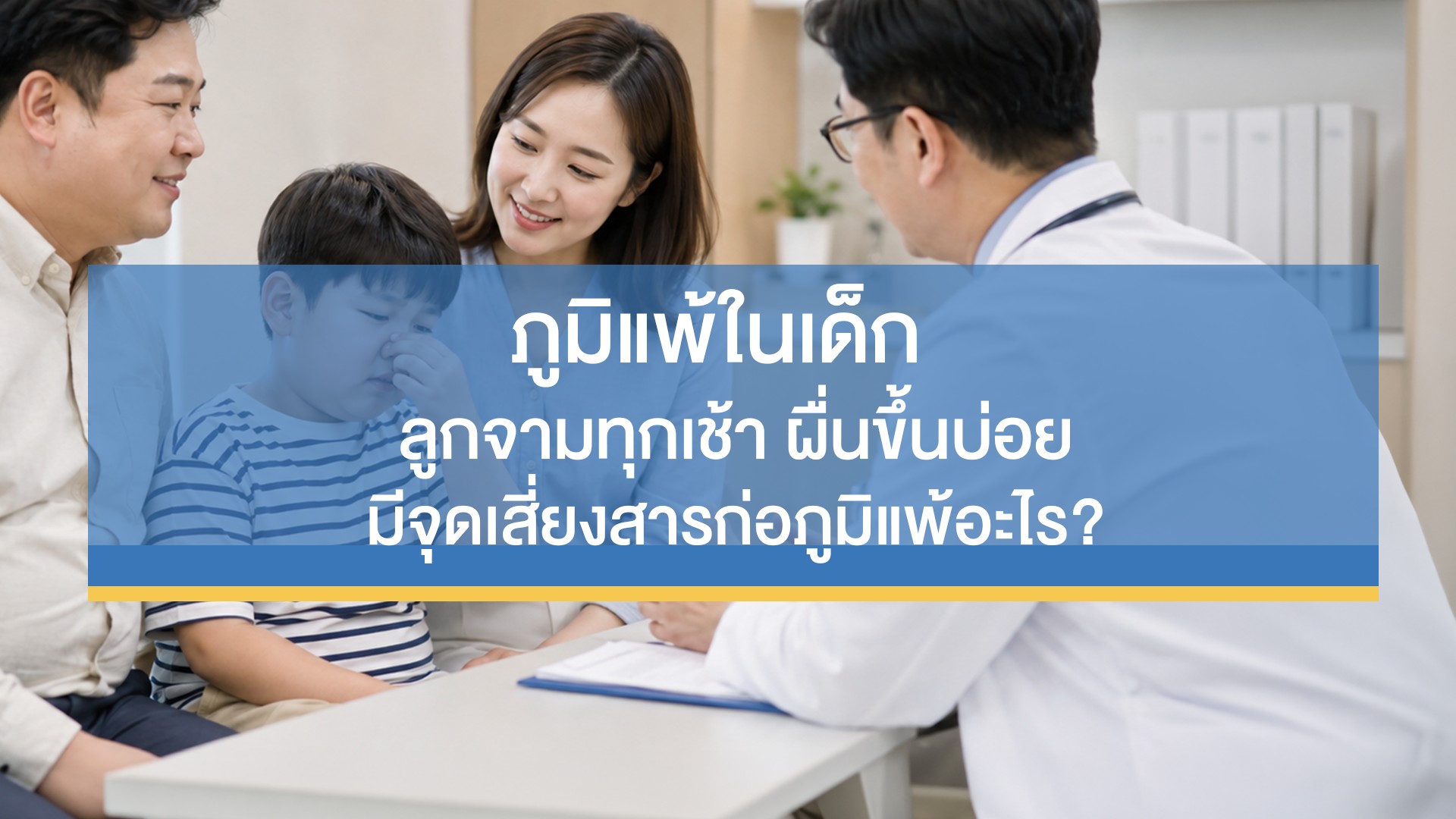
Sneezing every morning, chronic coughing, nasal congestion, itchy eyes, or frequent itchy skin rashes after moving into a new home may be signs of Pediatric Allergy, triggered by hidden allergens in the home environment. These include biological allergens such as dust mites, mold deposits, and mold spores from air-conditioning systems, as well as volatile organic compounds (VOCs) released from building materials and new furniture, such as formaldehyde. Current treatment focuses on identifying the specific allergens through a Specific IgE blood test, allowing pediatricians to develop a targeted treatment plan that includes symptom-specific medications.
How Dangerous Are Allergies in Children Today?
According to the Allergy, Asthma and Immunology Association of Thailand, the prevalence of allergic diseases among Thai children has increased three- to fourfold over the past 10 years. Allergic rhinitis is the most common condition, affecting up to 40% of children, while atopic dermatitis affects approximately 15–20%. The leading indoor allergen responsible for chronic allergic symptoms in Thai children is dust mites, which are found in approximately 70–80% of pediatric patients with allergic diseases.
“Sneezing every morning” is a common problem in children. It is often caused by the respiratory system reacting to environmental triggers during sleep or upon waking. The main causes can be divided into three major groups, as follows.
1. Allergic Rhinitis
If your child sneezes repeatedly in the morning, accompanied by a runny nose, itchy nose, itchy eyes, or an itchy throat, the symptoms may be caused by nasal lining that is sensitive to allergens in the bedroom, including:
Dust Mites : These microscopic organisms live in mattresses, pillows, duvets, stuffed toys, and curtains. They are among the most common indoor allergens in Thai households.
Mold Spores : These may accumulate in air conditioners that are not cleaned regularly or in damp corners of a room.
Pet Dander and Cockroach Droppings : Tiny particles that can become airborne and circulate throughout the home.
2. Nasal Sensitivity to Changes in Temperature and Humidity
Some children do not have an allergy to specific substances but have nasal passages that are unusually sensitive to physical environmental factors.
Sudden Temperature Changes : For example, stepping out of a cool, air-conditioned room into hot, humid outdoor air in the morning, or being exposed directly to cold air from a fan or air conditioner throughout the night.
Low Humidity : Dry air from air conditioning can dry out and irritate the nasal lining, triggering sneezing and increased nasal discharge.
3. Environmental Chemicals and Irritants
Small amounts of chemical irritants that accumulate in the bedroom overnight can also trigger sneezing in the morning.
Chemicals from New Homes or Furniture : These may include formaldehyde, paint fumes, wood adhesives, and wallpaper emissions.
Fragrances : Air fresheners in the bedroom and heavily scented fabric softeners used on pajamas, bedding, and duvets may irritate the respiratory tract.
Fine Dust and Smoke : These include construction dust from nearby areas, PM2.5 fine particulate matter, and secondhand cigarette smoke carried into the home on adults' clothing.
Why Do Children Develop Sneezing and Skin Rashes After Moving into a New or Renovated Home?
Even when a new home looks clean and dust-free, it may contain hidden chemical irritants and biological allergens in various areas.
Volatile Organic Compounds (VOCs) and Formaldehyde : These substances may be released from wall paint, wood adhesives, wallpaper, leather sofas, and newly installed built-in furniture. They can disperse through indoor air and enter the respiratory tract, potentially irritating the nasal lining and skin, and contributing to inflammation.
Dust Mites in Bedding and Curtains : Even new mattresses, curtains, and carpets may retain moisture during transportation or installation. Warm, humid conditions can create a favorable environment for dust mites.
Mold Spores from Air-Conditioning Systems : New or recently installed air conditioners may still develop moisture buildup in components or air ducts, potentially allowing mold to grow and release spores into the bedroom.
Fine Construction Dust (PM2.5 and Other Dust Particles) : Residual cement dust and fine particles may remain in ventilation openings, cabinet crevices, and air filters after construction or renovation.
How Can You Tell Whether Your Child Has Allergies Rather Than a Common Cold?
Common Cold :
May be accompanied by fever, thick nasal discharge, and body aches.
Symptoms typically improve on their own within 7–10 days.
Allergic Rhinitis :
Usually occurs without fever.
Symptoms tend to recur or persist for more than two weeks.
Common signs include repeated sneezing in the morning after waking, clear nasal discharge, frequent eye rubbing, and an itchy nose.
Look for the allergic salute, a characteristic upward rubbing motion of the nose with a finger or hand.
Allergic shiners, or dark discoloration beneath the eyes, may also be present.
Some children may experience itchy rashes in skin folds or have dry, rough skin, particularly if they also have atopic dermatitis.
Which Children Are at Higher Risk of Reacting to Indoor Allergens?
Children with a Family History of Allergies : If one parent has an allergic condition, the child's risk may be higher. If both parents have allergies, the risk may increase further. The actual risk varies depending on the type of allergy and other genetic and environmental factors.
Infants and Young Children (0–5 Years) : Their immune systems and skin barriers are still developing, which may make them more susceptible to certain irritants and environmental exposures than adults.
Identifying the Cause for Personalized Treatment
Modern allergy care for children involves more than simply taking antihistamines or applying steroid creams repeatedly. An important step is to identify the specific allergen or trigger responsible for the child's symptoms so that treatment and environmental control measures can be tailored accordingly.
Allergy Identification
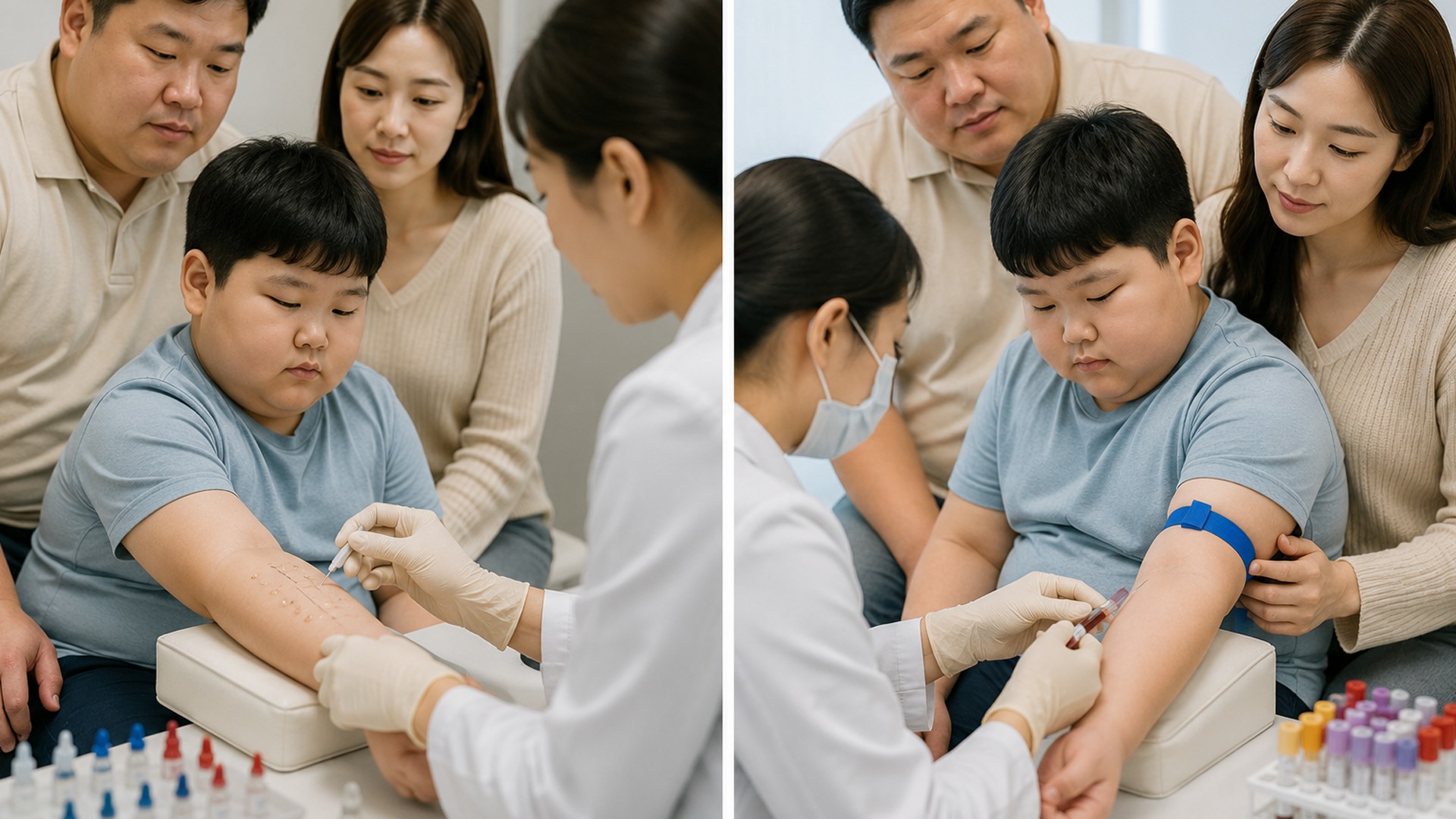
Skin Prick Test : This is a widely used standard method for allergy testing. A small amount of allergen extract is applied to the skin, followed by a gentle prick on the child's forearm or back. Results are typically available within 15–20 minutes. The test is generally safe and highly accurate when performed and interpreted by trained healthcare professionals.
Specific IgE Blood Test : This test may be suitable for very young children or children with widespread inflammatory skin conditions that make Skin Prick Testing difficult. A blood sample is collected and analyzed to measure the levels of specific IgE antibodies against individual allergens.
Preparing Your Child for Allergy Testing
Avoid antihistamines as directed by the doctor: Certain allergy medications, including antihistamines, may need to be stopped for approximately 3–7 days before a Skin Prick Test, depending on the medication and the doctor's instructions. Do not stop any prescribed medication without consulting your doctor.
Keep a record of your child's symptoms: Note when symptoms tend to occur, which rooms they occur in, and whether they develop after contact with particular substances. This information can help the pediatrician assess potential triggers and determine the most appropriate testing and treatment plan.

Preparing Your New Home Before Your Child Moves In
“The most effective approach to managing childhood allergies involves collaboration between healthcare professionals and families.” Identifying relevant allergens early can help relieve symptoms such as sneezing, itching, and skin rashes. Appropriate allergy management may also help reduce the risk of complications, including the development or worsening of asthma in some children. Combining environmental modifications with appropriate medical treatment is essential to helping children feel comfortable, sleep well, and enjoy a better quality of life.
At Thonburi Thawiwatthana Hospital, we understand the concerns parents may have when preparing a new home and creating a healthy environment for their family. Our team is committed to caring for your child with support from pediatricians specializing in allergy and clinical immunology, laboratory services for allergy testing, and a child-friendly clinical environment designed to help young patients feel comfortable and at ease. Our goal is to provide gentle, thorough assessment and appropriate care to support your child's health and help them grow up happy and healthy in their new home.