




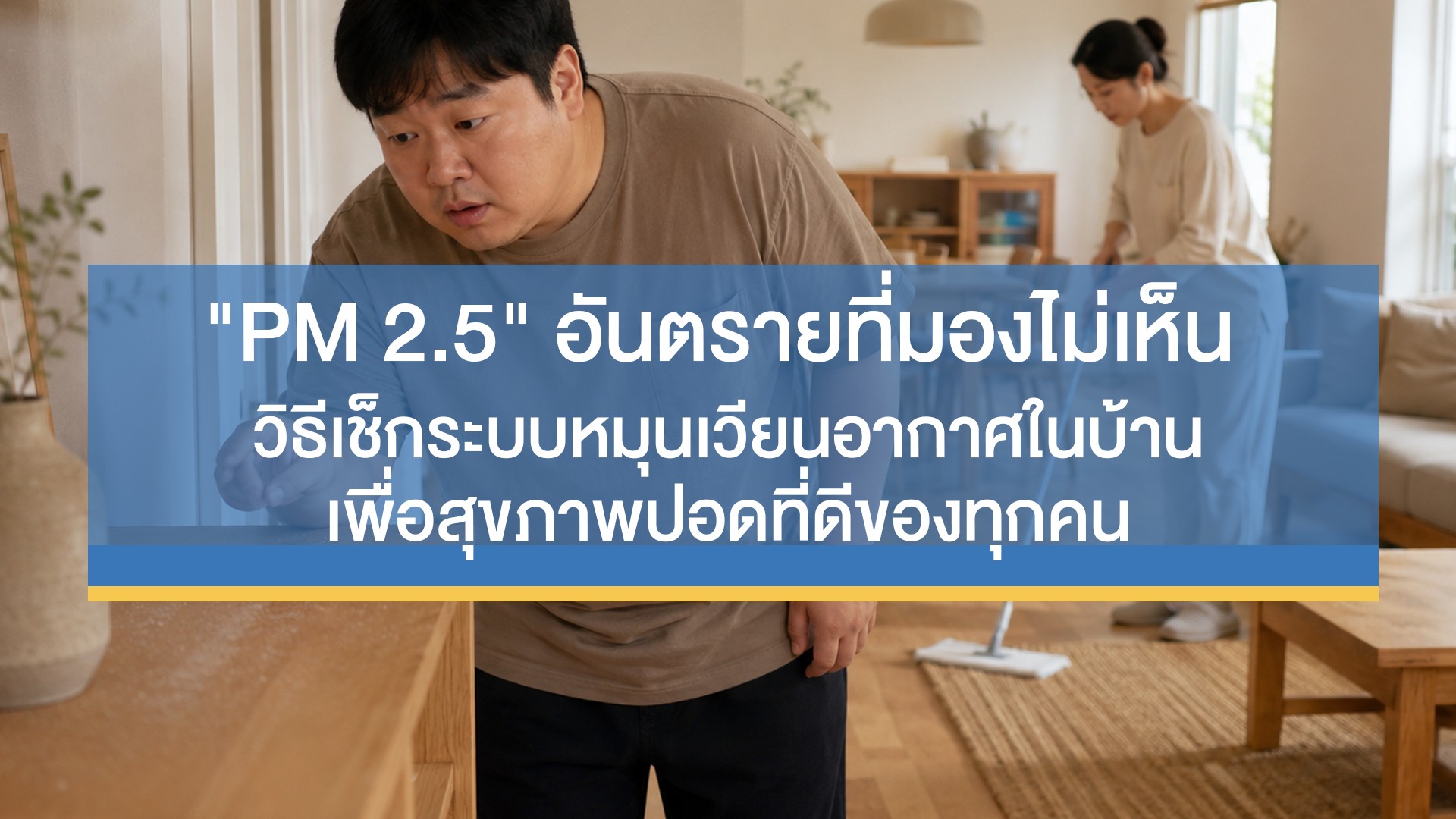
Air conditioners cannot provide 100% protection against PM2.5 and other airborne hazards. Standard air conditioners primarily recirculate and cool the existing indoor air rather than bringing in fresh air from outside, and they are not typically equipped with HEPA-grade filters as standard. In addition, keeping a room tightly sealed for extended periods can lead to the accumulation of carbon dioxide (CO₂) and volatile organic compounds (VOCs), potentially causing symptoms such as throat irritation, nasal congestion, headaches, fatigue, and drowsiness, while increasing the risk of chronic respiratory diseases. Lung function screening (spirometry) and allergy screening, combined with improvements to the home's ventilation and air circulation systems, are important measures to help protect the health of every family member.
Dust Particles and the Hidden Dangers of Indoor Air Pollution
The World Health Organization (WHO) states that indoor air pollution contributes to the increasing global burden of lower respiratory infections, stroke, and lung cancer. In homes with tightly closed doors and windows and no properly certified air purification system, outdoor PM2.5 particles can still infiltrate through gaps around doors, window seals, and ventilation systems, potentially reaching indoor concentrations equivalent to 50–70% of outdoor levels.
The Health Risks of PM2.5 in Thailand Include the Following
Short-Term Health Effects
Eyes and Skin : Redness and irritation of the eyes, itchy skin, allergic rashes, and eye irritation caused by dust exposure.
Cardiovascular System : PM2.5 particles can penetrate deep into the lungs and trigger inflammatory responses that affect the cardiovascular system. This may cause chest tightness and increase the risk of acute elevations in blood pressure.
Long-Term Health Effects
Lung Cancer : Long-term exposure to PM2.5 can cause chronic inflammation in lung tissue and contribute to the development of lung cancer, even in people who have never smoked.
Cardiovascular and Cerebrovascular Diseases : PM2.5 exposure can contribute to atherosclerosis (hardening of the arteries), increasing the risk of stroke, including ischemic and hemorrhagic stroke, as well as acute coronary heart disease.
Dementia and Diabetes : Fine particulate matter that enters the bloodstream may contribute to inflammation in the brain, potentially increasing the risk of Alzheimer’s disease. It may also disrupt metabolic processes, increasing the risk of diabetes.
What Hidden Dangers Lurk in a Sealed, Air-Conditioned Room ?
Most conventional air conditioners are equipped with only a pre-filter, which captures larger particles such as hair and fabric dust to prevent the evaporator coil from becoming clogged. However, these filters are generally not designed to capture ultrafine particles such as PM2.5, which are approximately 30 times smaller than the diameter of a human hair. Effective filtration of PM2.5 requires an air conditioner with a dedicated PM2.5 filtration system or an additional HEPA filter, where compatible.
Why Do You Still Experience Throat Irritation, Coughing, Nasal Congestion, or Headaches Even When You Keep Your Home Sealed and the Air Conditioning On?
These symptoms are primarily associated with two factors that can accumulate indoors:
Which Groups Are Most Vulnerable to Indoor Air Pollution?
Infants, Young Children, and School-Aged Children : Children breathe faster than adults relative to their body size, and their immune systems are still developing, making them more vulnerable to the harmful effects of air pollution.
How Can You Tell If Your Lung and Overall Health Are Deteriorating Due to Poor Indoor Air Quality?
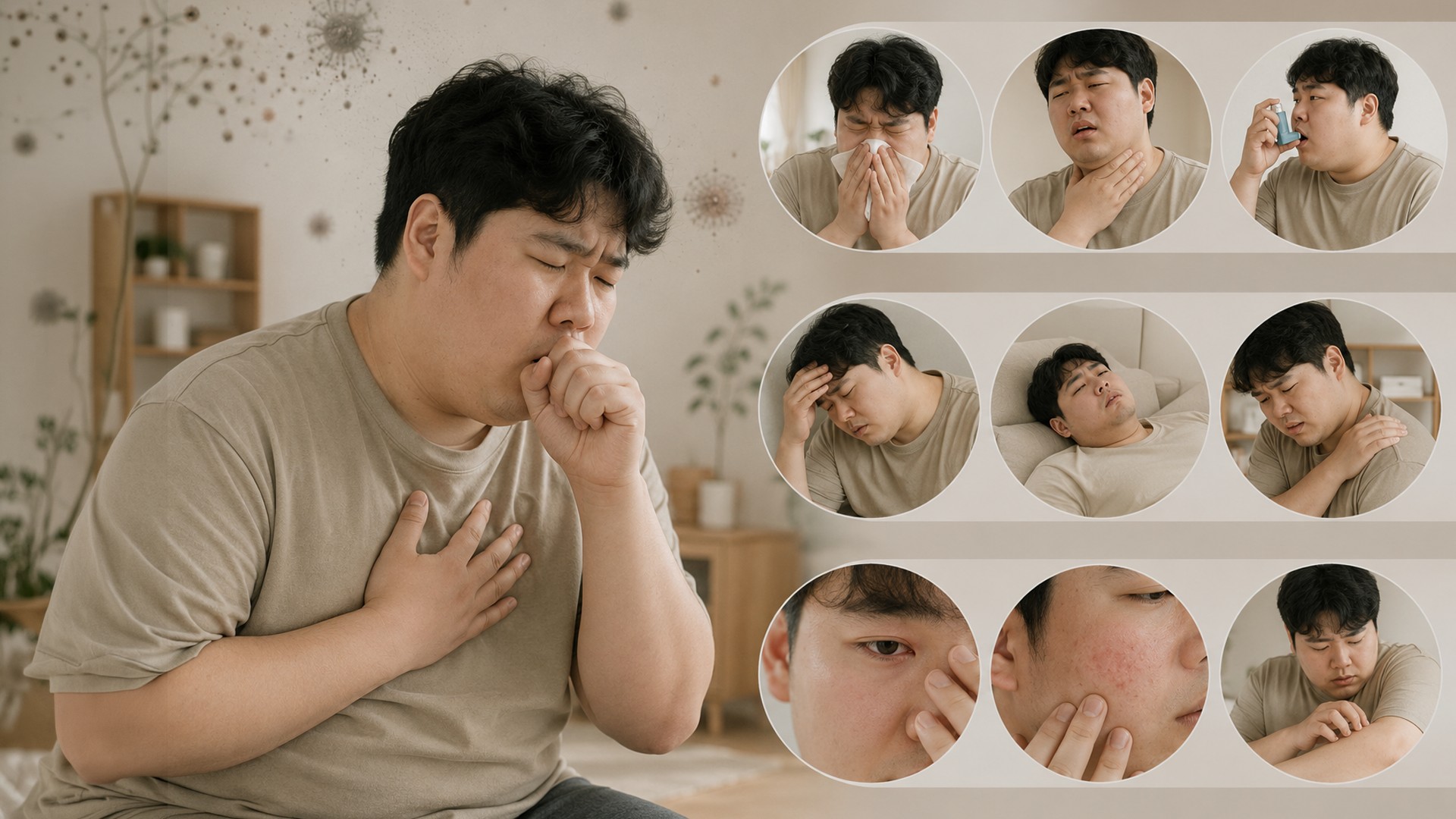
If you or a family member begins experiencing any of the following symptoms while spending time at home or in the bedroom, consider checking your indoor air quality and consulting a healthcare professional.
“Your home should be the safest place for every family member to breathe” Keeping windows closed and running the air conditioner may provide temporary protection from outdoor pollution, but it is not enough to guarantee healthy indoor air. Establishing a clean and effective ventilation system, maintaining proper air filtration, and scheduling regular lung health assessments are important preventive measures that may help reduce the risk of chronic respiratory diseases. These steps can also help restore comfort, freshness, and the ability of everyone in the household to work, study, and carry out daily activities effectively.
Proactive Lung Health Screening
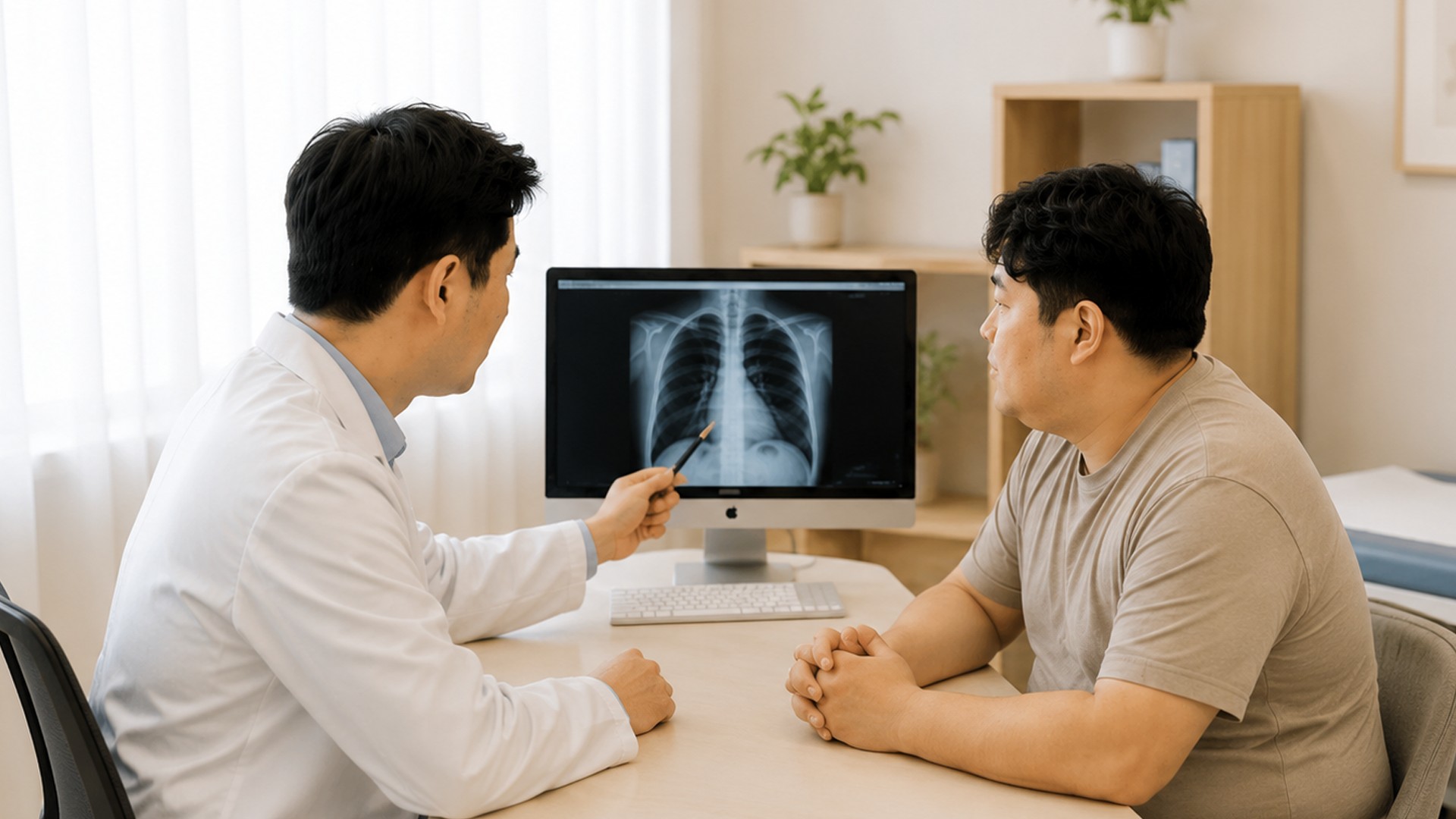
Our hospital is committed to assessing and protecting the respiratory health of every family member through modern medical technology and comprehensive preventive care.
1. Lung Function Screening
2. Allergy Screening
Identify sensitivities to common airborne allergens, including dust mites, mold spores, and insect debris, through a Skin Prick Test or a blood test for specific immunoglobulin E (Specific IgE). These tests help healthcare professionals develop personalized treatment plans and recommend appropriate medications to manage allergy symptoms.
How to Check and Improve Your Home’s Air Circulation System
Preparing for a Respiratory Health Screening
Avoid smoking for at least 2–4 hours before a lung function test, or follow the specific instructions provided by your healthcare professional.
Wear loose, comfortable clothing that does not restrict your chest or abdomen, allowing you to breathe in and out fully during the test.
At Thonburi Thawiwatthana Hospital, we care about your overall well-being and understand your concerns about air pollution and respiratory health. Our team of pulmonologists and pediatric specialists works alongside internationally standardized lung function testing equipment to provide professional consultations and systematic preventive healthcare guidance. Our goal is to help you and your family breathe easier, maintain healthy lungs, and create a cleaner, healthier home environment where everyone can feel safe.