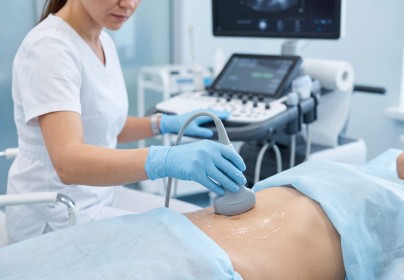





Gastritis
Symptoms such as epigastric pain or discomfort, abdominal fullness, heartburn, or cramping are often mistaken for gastritis or gastroesophageal reflux disease (GERD), leading many people to self-medicate with antacids. However, these symptoms may actually be warning signs of acute myocardial infarction (AMI) or acute coronary syndrome (ACS). Because the heart and stomach are located close to each other and share sensory nerve pathways, reduced blood flow to the heart muscle can sometimes present as epigastric discomfort or pressure rather than typical chest pain. Warning signs may include pressure or discomfort in the upper abdomen or chest that radiates to the jaw, neck, shoulder, or left arm, as well as profuse sweating, shortness of breath, nausea, or sudden weakness. These symptoms should be considered a medical emergency. Patients with suspected acute coronary syndrome should undergo a 12-lead electrocardiogram (ECG/EKG) as soon as possible, with a target of first medical contact-to-ECG within 10 minutes. For patients with ST-elevation myocardial infarction (STEMI) who are eligible for reperfusion therapy, primary percutaneous coronary intervention (Primary PCI) should be performed as rapidly as possible. When performed at a PCI-capable hospital, the target is door-to-balloon time of less than 90 minutes. Timely reperfusion during the critical treatment window helps minimize myocardial damage and reduce the risk of complications and death.
The Hidden Danger of Misinterpreting Symptoms
Patients experiencing acute coronary syndrome (ACS) may lose valuable time by purchasing antacids or medications for bloating, or simply resting at home because they mistakenly believe their symptoms are caused by gastritis or indigestion. Cardiovascular disease is one of the leading causes of illness and death among the Thai population. Risk factors include chronic stress, insufficient sleep, and unhealthy lifestyle behaviors.
Why Can Heart Ischemia Cause Symptoms in the “Epigastric” Area Similar to Gastritis?
The nerves supplying the heart and the upper abdominal organs, including the stomach and esophagus, share some common sensory pathways to the central nervous system. As a result, referred pain may occur, causing the brain to perceive pain or discomfort originating from the heart in other areas, such as the epigastrium, chest, back, jaw, or arm.
In addition to acute coronary syndrome, symptoms such as abdominal cramping, epigastric discomfort or pressure, heartburn, and indigestion, which are often mistaken for gastritis, may also be warning signs of several other serious conditions involving the abdomen and related organ systems.
1. Gastroesophageal Reflux Disease (GERD)
Symptoms : A burning sensation in the center of the chest, which may extend upward to the epigastric area or throat. Patients may also experience acid regurgitation, a bitter or sour taste, nausea, or a sensation of a lump in the throat.
Key features : Symptoms often worsen after eating a large meal, consuming spicy or irritating foods, or lying down or reclining soon after eating.
2. Peptic Ulcer Disease
Symptoms : Pain, discomfort, pressure, or a dull burning sensation in the epigastric region.
Key features : Symptoms may be related to meals. Some patients experience increased pain when the stomach is empty or when they are hungry, while others develop pain shortly after eating. Bloating and abdominal fullness may also occur.
3. Acute Cholecystitis or Gallstones
Symptoms : Pain or pressure in the right upper abdomen, which may extend to the epigastric area and radiate to the back or right shoulder. Symptoms often occur after eating a high-fat meal.
Key features : Patients may also experience nausea and vomiting. Fever may occur when the gallbladder becomes acutely inflamed or infected.
4. Acute Pancreatitis
Symptoms : Severe abdominal pain, typically felt in the epigastric or periumbilical region, often radiating intensely through to the back. The pain may be severe enough to prevent sleep. Some patients may experience partial relief by sitting up and leaning forward.
Common causes : The most common causes include heavy or chronic alcohol use and gallstones that migrate into and obstruct the pancreatic duct or biliary system.
5. Abdominal Aortic Aneurysm (AAA) or Aortic Rupture
Symptoms : Sudden severe epigastric or abdominal pain accompanied by acute lower back pain, particularly when associated with low blood pressure, dizziness, fainting, or loss of consciousness.
Severity : This is a life-threatening medical emergency. If an abdominal aortic aneurysm ruptures, it can cause massive internal bleeding, rapidly leading to hemorrhagic shock, loss of consciousness, and death.
Important : Not all epigastric pain is caused by gastritis. When symptoms are sudden, severe, unusual, or accompanied by chest pressure, shortness of breath, sweating, fainting, or pain radiating to the jaw, back, or arm, seek emergency medical attention immediately.
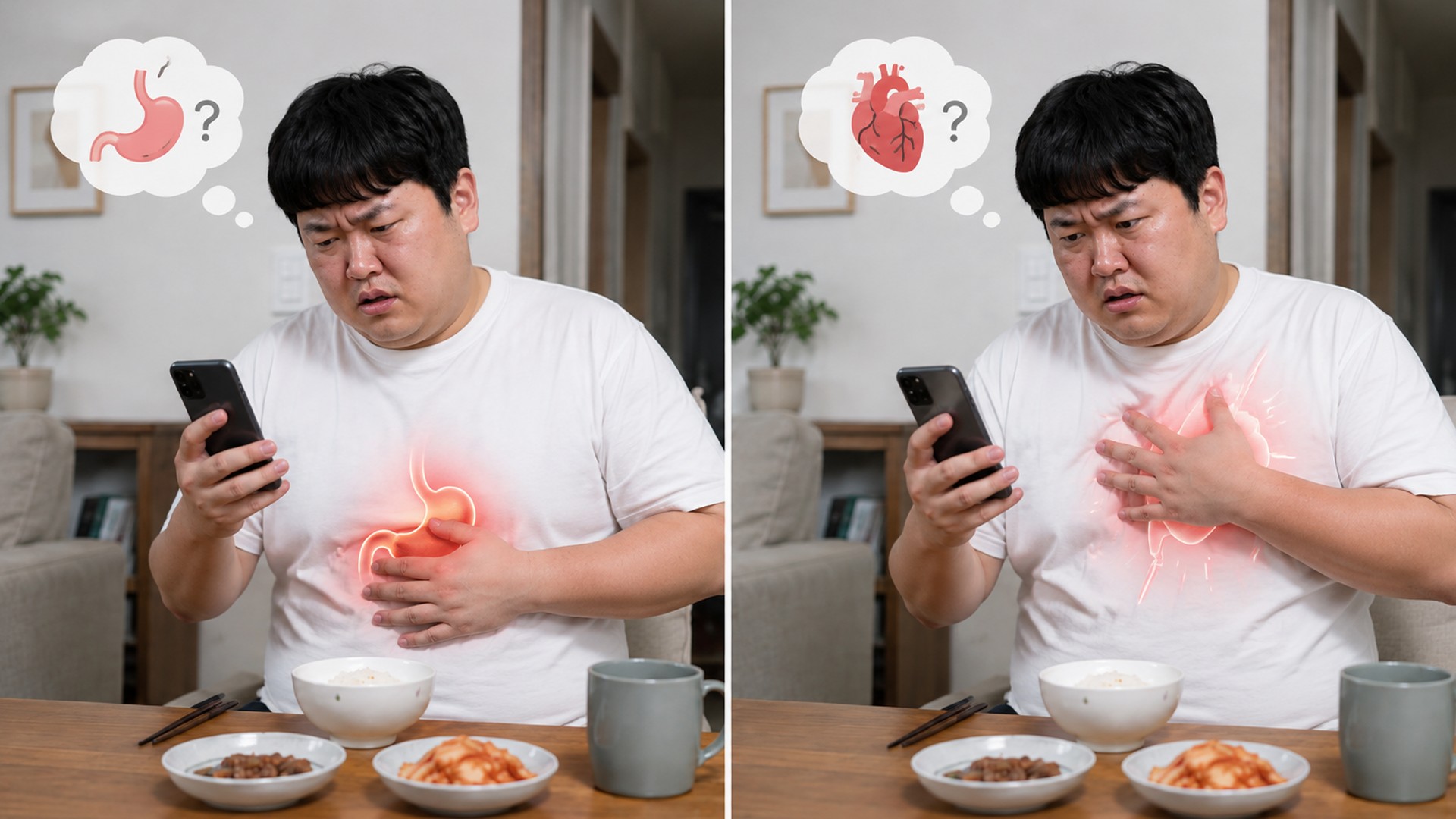
How Can You Tell the Difference Between “Gastritis” and Acute Coronary Syndrome?
Gastritis / Gastroesophageal Reflux Disease (GERD)
Symptoms are often related to meals, such as pain when the stomach is empty or discomfort after eating spicy or irritating foods.
Symptoms are often intermittent and may improve after taking antacids or eating bland foods.
Acute Coronary Syndrome (ACS)
Symptoms may be triggered by emotional stress, strenuous exercise, or physical exertion, although ACS can also occur at rest or during sleep.
Patients may experience pressure, tightness, or heaviness, as if something heavy is pressing on the chest or epigastric area, sometimes accompanied by shortness of breath or difficulty getting enough air.
Pain or discomfort may radiate to the jaw, neck, shoulder, or arm.
Dangerous associated symptoms may include profuse sweating, cold or clammy skin, nausea, vomiting, dizziness, or near-fainting.
Who Is at Risk of Acute Coronary Syndrome?
Working-age adults and older adults with underlying medical conditions: People with high blood pressure, diabetes, high cholesterol, or obesity.
People exposed to chronic stress and inadequate sleep: For example, office workers or self-employed individuals who work long hours, smoke heavily, and have little or no regular physical activity.
People with a family history of sudden or premature heart disease.
Warning Signs: When Should You Go to the Hospital Immediately?
If you or a family member experiences any of the following symptoms together with epigastric discomfort or pressure, do not assume that it is simply gastritis:
Chest pressure or epigastric discomfort lasting more than 10–15 minutes, especially if it does not improve with rest or antacids.
Sudden shortness of breath or difficulty breathing, particularly if you are unable to lie flat.
Profuse or unexplained sweating, especially with cold, pale, or clammy skin.
Dizziness, lightheadedness, or a feeling that you may faint.
These symptoms may indicate a medical emergency and require immediate evaluation.
What Should You Do If Acute Coronary Syndrome Is Suspected?
If ACS is suspected, do not drive yourself to the hospital. In Thailand, call the emergency medical service at 1669 instead. Emergency medical personnel can begin assessment and treatment during transport and coordinate rapid care at the hospital.
Provide healthcare professionals with accurate information about your underlying medical conditions, regular medications, medication allergies, and previous medical history.
Evaluation of Patients with Suspected Acute Coronary Syndrome
An electrocardiogram records the heart's electrical activity and helps identify abnormalities that may indicate myocardial ischemia or infarction, as well as abnormal heart rhythms.
A blood test for cardiac troponin detects proteins released into the bloodstream when heart muscle cells are injured. Serial troponin measurements may be used together with the patient's symptoms and ECG findings to help diagnose or rule out acute myocardial infarction.
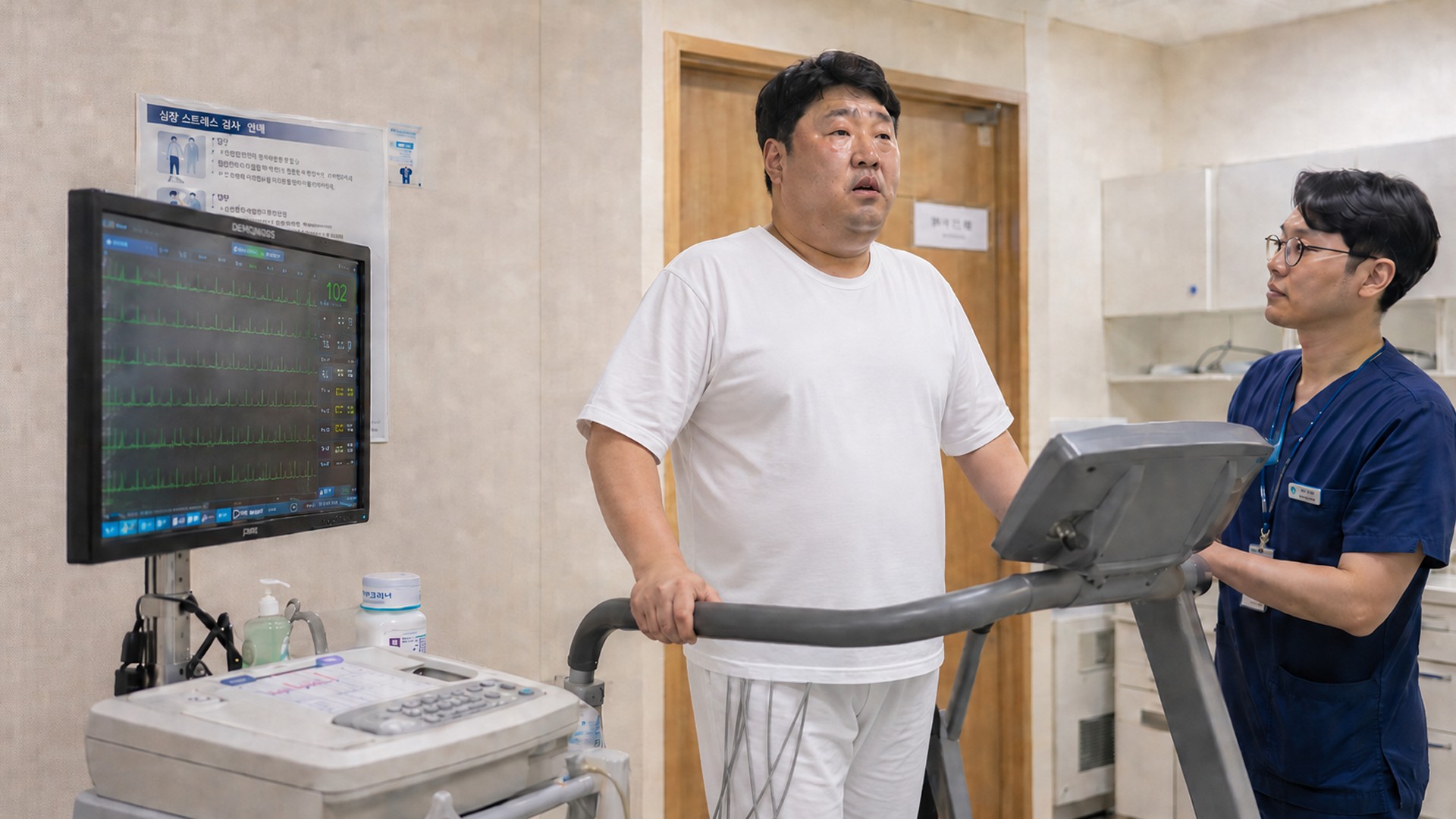
An exercise stress test may be used to evaluate how the heart responds to physical exertion in selected patients, particularly when evaluating possible stable or chronic coronary disease. An echocardiogram uses ultrasound to assess the heart's structure and function, including heart muscle contraction and regional wall-motion abnormalities.
Additional tests may be performed to assess cardiovascular risk, including:
Lipid profile – to assess cholesterol and other blood lipid levels.
Fasting blood glucose (FBS) – to assess blood glucose levels and screen for diabetes.
Coronary artery calcium (CAC) score – a CT-based assessment that can help estimate the burden of calcified plaque in the coronary arteries and refine cardiovascular risk assessment in selected individuals.
Why Is Screening Important for You?
Screening and timely medical evaluation can help distinguish between conditions with similar symptoms, such as simple gastritis, acute coronary syndrome, or a ruptured aortic aneurysm. Early diagnosis can enable life-saving treatment before the condition progresses to a critical stage.
Treating the Root Cause, Not Just the Symptoms
Instead of repeatedly taking antacids or pain medications, identifying the underlying cause of symptoms—for example, Helicobacter pylori infection or gallstones—allows doctors to provide appropriate, targeted treatment and address the source of the problem rather than managing symptoms indefinitely.
Saving Time and Healthcare Costs in the Long Run
Allowing a disease to progress to an advanced stage or develop complications may result in higher medical expenses, more complex treatment, and longer recovery periods. Early evaluation and appropriate screening can therefore be a worthwhile investment in long-term health.
Providing Peace of Mind and Reducing Anxiety
Knowing the results of an appropriate medical evaluation can help reduce uncertainty and anxiety about potentially serious illness. It also allows individuals to make informed lifestyle changes and take appropriate steps to protect their health.
“Abdominal Pain or Epigastric Discomfort May Be More Than Just a Stomach Problem.”
Do not ignore unusual symptoms. Seeking medical evaluation and, when appropriate, undergoing an electrocardiogram (ECG/EKG) can be an important safeguard, helping patients receive the right treatment promptly and potentially preventing a life-threatening cardiac event.
Thonburi Thawiwatthana Hospital is committed to providing comprehensive, patient-centered healthcare. We are ready to care for you and your family with a team of specialist physicians and cardiovascular surgeons, supported by a fully equipped cardiac catheterization laboratory (Cath Lab) and advanced life-support technologies meeting international standards. With 24-hour emergency services, our team is prepared to provide rapid, accurate, and safe care when every minute matters—so you and your loved ones can have confidence that every cardiac emergency will receive timely and expert medical attention.