





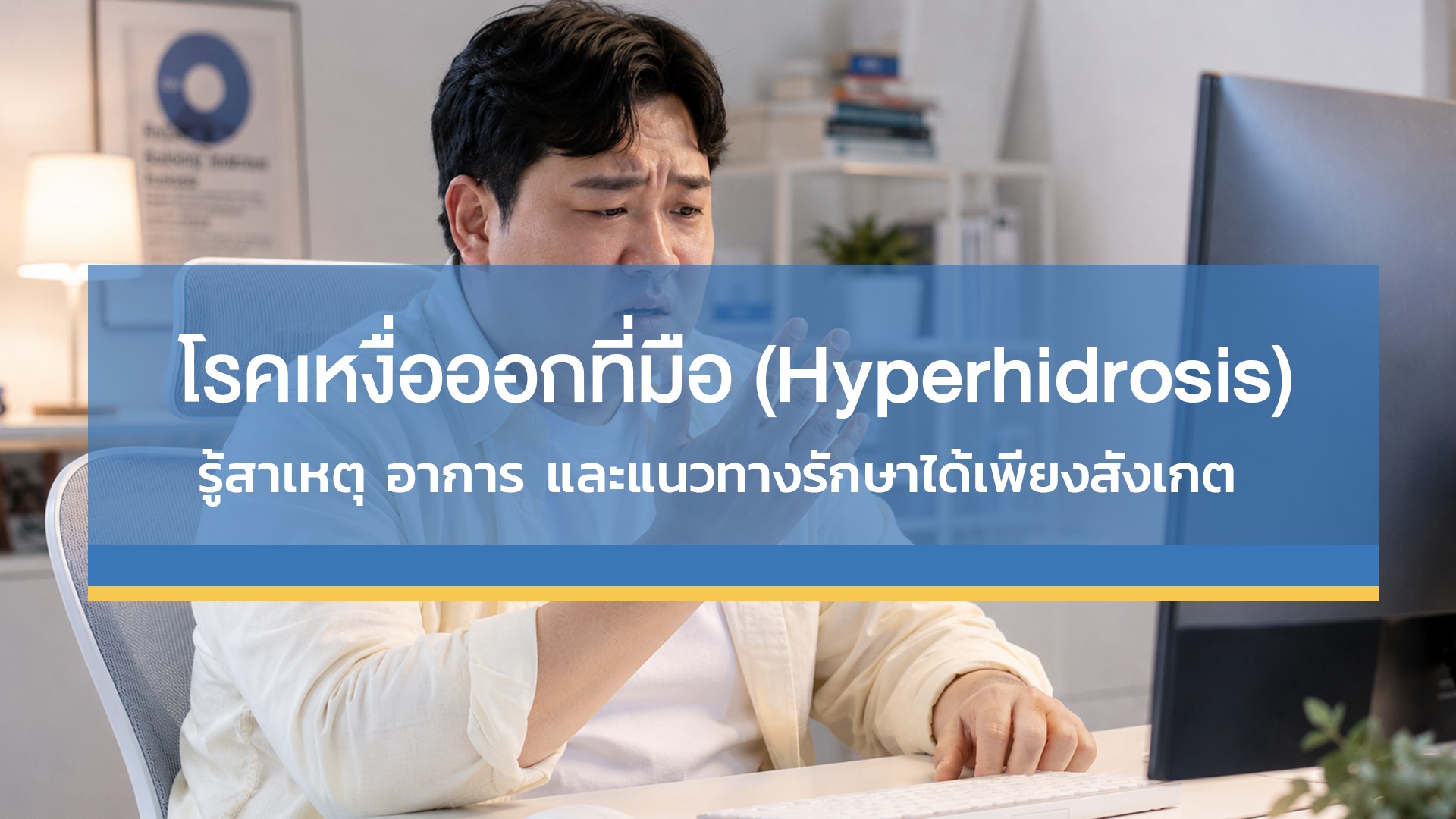
Palmar hyperhidrosis is a condition in which the sweat glands in the palms produce more sweat than normal, even when the body is not exposed to hot weather or physical exertion. This can cause the hands to remain excessively moist, making it difficult to grip objects, use electronic devices, or perform everyday activities. It may also affect confidence in social situations. Palmar hyperhidrosis affects approximately 2–5% of the population and can be treated or managed in several ways, ranging from self-care and topical medications to oral medications, iontophoresis, botulinum toxin injections, and, in some cases, surgery.
What Is Hyperhidrosis?
Many people may consider sweaty hands to be normal. However, if excessive sweating interferes with daily activities—for example, causing a phone to slip, making paper wet while writing, or making someone avoid shaking hands due to embarrassment—it may be a sign of palmar hyperhidrosis, also known as excessive sweating of the hands.
This condition occurs when the sweat glands become overactive and produce more sweat than the body needs. It commonly affects both palms and may be associated with an overactive autonomic nervous system that responds excessively to certain stimuli. Although hyperhidrosis is not usually a life-threatening condition, it can significantly affect quality of life, education, work, and self-confidence over the long term.

Who Is at Risk of Developing Palmar Hyperhidrosis?
The condition is commonly found in:
Children and adolescents
People who develop symptoms before the age of 25
People with a family history of hyperhidrosis
People whose symptoms worsen during stress or anxiety
People who do not experience excessive sweating while sleeping
What Causes Excessive Sweating of the Hands ?
1. Genetics
Many people with hyperhidrosis have family members who experience similar symptoms. Studies have found that approximately half to two-thirds of patients may have a close relative with excessive sweating.
2. An Overactive Autonomic Nervous System
When a person experiences stress, anxiety, or excitement, the sympathetic nervous system can stimulate the sweat glands, causing the palms to become excessively sweaty within a short period of time.
3. Environmental and Lifestyle Factors
Certain factors may trigger or worsen excessive sweating, including:
Hot or humid weather
Exercise
Stress or anxiety
Caffeinated beverages
Spicy foods
Alcohol in some individuals
Symptoms of Palmar Hyperhidrosis to Watch For
People with palmar hyperhidrosis may experience symptoms such as:
Excessive sweating of the palms, sometimes to the point of visible droplets
Sweat making paper, pens, computer mice, or electronic devices wet
Slippery hands or embarrassment when shaking hands
Frequent skin irritation, peeling, or maceration of the hands
Excessive sweating occurring on both hands at a similar level
Symptoms persisting for more than six months
These symptoms can interfere with work, education, sports, and everyday social activities.
How Can You Tell if You May Have Palmar Hyperhidrosis?
Consider the following questions. If several of these apply to you, you should consult a doctor for a proper medical evaluation and diagnosis.
✅ Do you experience excessive sweating of your hands for more than six months without an obvious cause?
✅ Does the sweating occur on both hands at approximately the same level?
✅ Does excessive sweating interfere with your daily activities or work?
✅ Do you experience episodes at least once a week?
✅ Did the symptoms begin at a young age, or do you have a family history of excessive sweating?

Current Treatment Options for Palmar Hyperhidrosis
Treatment is selected based on the severity of symptoms, the patient's needs, and the extent to which the condition affects daily life.
1. Lifestyle Modifications and Skin Care
These are important first steps for everyone with hyperhidrosis:
Keep the hands clean and dry
Use mild, gentle soap
Avoid products that may irritate the skin
Get adequate sleep
Practice stress and emotional management techniques
2. Topical Medications
Products containing aluminum salts, such as aluminum chloride, may help reduce sweat production by temporarily blocking the sweat ducts. They are commonly applied before bedtime according to a doctor's or product's instructions.
3. Oral Medications
Certain oral medications can help reduce stimulation of the sweat glands. However, they should be used under medical supervision because some medications may have contraindications or side effects.
4. Iontophoresis
Iontophoresis uses a low electrical current passed through water to help reduce the activity of the sweat glands in the palms.
Advantages include:
No surgery required
No injections required
Suitable for people who prefer an ongoing, non-invasive treatment approach
Iontophoresis usually requires a course of treatments and follow-up according to a doctor's recommendations. Many patients begin to notice a reduction in sweating within the first 2–4 weeks.
Studies have reported that many patients can experience a substantial reduction in sweating when treatment is performed consistently. However, the results are generally not permanent, so maintenance treatments may be required to sustain the effect.
5. Botulinum Toxin (Botox) Injections
Botulinum toxin injections can reduce nerve signals to the sweat glands, thereby decreasing excessive sweating. The treatment can be effective for many patients, but the effects are temporary and repeat injections may be required based on the individual's response and the doctor's assessment.
Who May Benefit From This Treatment?
Botulinum toxin injections may be considered for people who:
Have moderate to severe sweating of the hands
Experience significant interference with work or daily activities
Have not achieved adequate results from topical treatments
Do not wish to undergo surgery
Want a relatively rapid reduction in sweating
6. Endoscopic Thoracic Sympathectomy (ETS)
Endoscopic thoracic sympathectomy (ETS) is a surgical procedure performed through small incisions in the chest to interrupt or clamp the sympathetic nerves responsible for stimulating excessive sweating of the hands.
ETS may be considered for people with severe palmar hyperhidrosis who have not responded adequately to other treatments. Because the procedure involves potential risks and benefits, each patient should undergo a thorough individual assessment with a specialist before deciding on surgery.
Who May Be a Candidate?
ETS may be considered for people who:
Have severe palmar hyperhidrosis
Experience significant disruption to education, work, or quality of life
Have not achieved satisfactory results from topical medications, iontophoresis, or botulinum toxin
Are seeking a longer-term treatment option
Regain Confidence with the Right Treatment
At Thonburi Thawiwatthana Hospital, we are committed to providing comprehensive care for patients with a wide range of health conditions, including specialized conditions such as palmar hyperhidrosis. Treatment is not simply about taking medication—it is about improving quality of life. Although excessive sweating of the hands is generally not a dangerous condition, persistent symptoms that interfere with work, education, social interactions, or everyday activities should not be ignored. If excessive sweating is affecting your daily life, consult a qualified medical specialist for a thorough evaluation. Identifying the underlying cause and choosing the most appropriate treatment can help control symptoms and allow you to return to everyday life with greater comfort and confidence.