






Sudden Illness at Home in the Middle of the Night: Which Symptoms Can Be Managed at Home and Which Require Immediate Emergency Care? Sudden illness occurring at home in the middle of the night requires an accurate assessment of severity to ensure the highest level of safety. Symptoms that may initially be managed at home include a low-grade fever without shortness of breath, diarrhea without signs of shock, and mild to moderate headaches or abdominal pain that respond to basic medication. However, certain warning signs require immediate transfer to the Emergency Room (ER), including:
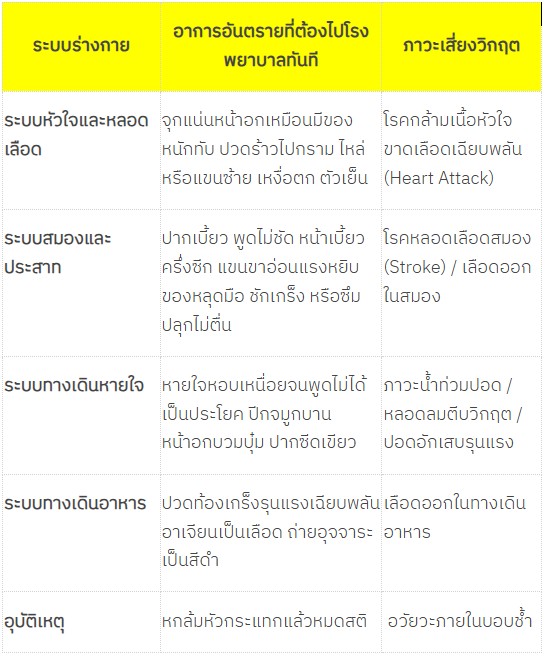
Chest tightness or chest pain radiating to the jaw or arm
Difficulty breathing or severe shortness of breath
Sudden weakness or numbness of the arms or legs, facial drooping, or slurred speech
Drowsiness, unresponsiveness, or seizures
Accidents involving severe bleeding that cannot be stopped
Receiving timely treatment from a 24-hour emergency medical center equipped with specialized medical teams and life-support technology is essential to reducing the risk of death and preventing further deterioration.
Important Information About Medical Emergencies During Sleeping Hours
Emergency medicine data indicate that stroke and acute myocardial infarction may present during nighttime hours, particularly between 10:00 p.m. and 6:00 a.m., when the body undergoes changes in hormone levels and blood pressure during sleep. In Thailand, more than 50% of stroke patients reportedly arrive at the Emergency Room later than the critical treatment window, often referred to as the “Golden Hour” (within 4.5 hours). One contributing factor is that family members may hesitate during the night and decide to wait until morning before seeking medical attention. Another important nighttime emergency is accidental falls among older adults at home. These incidents may occur when getting up to use the bathroom during the night and can result in serious conditions such as intracranial bleeding or acute hip fractures.
Which Symptoms Can Be Managed and Monitored at Home Initially?
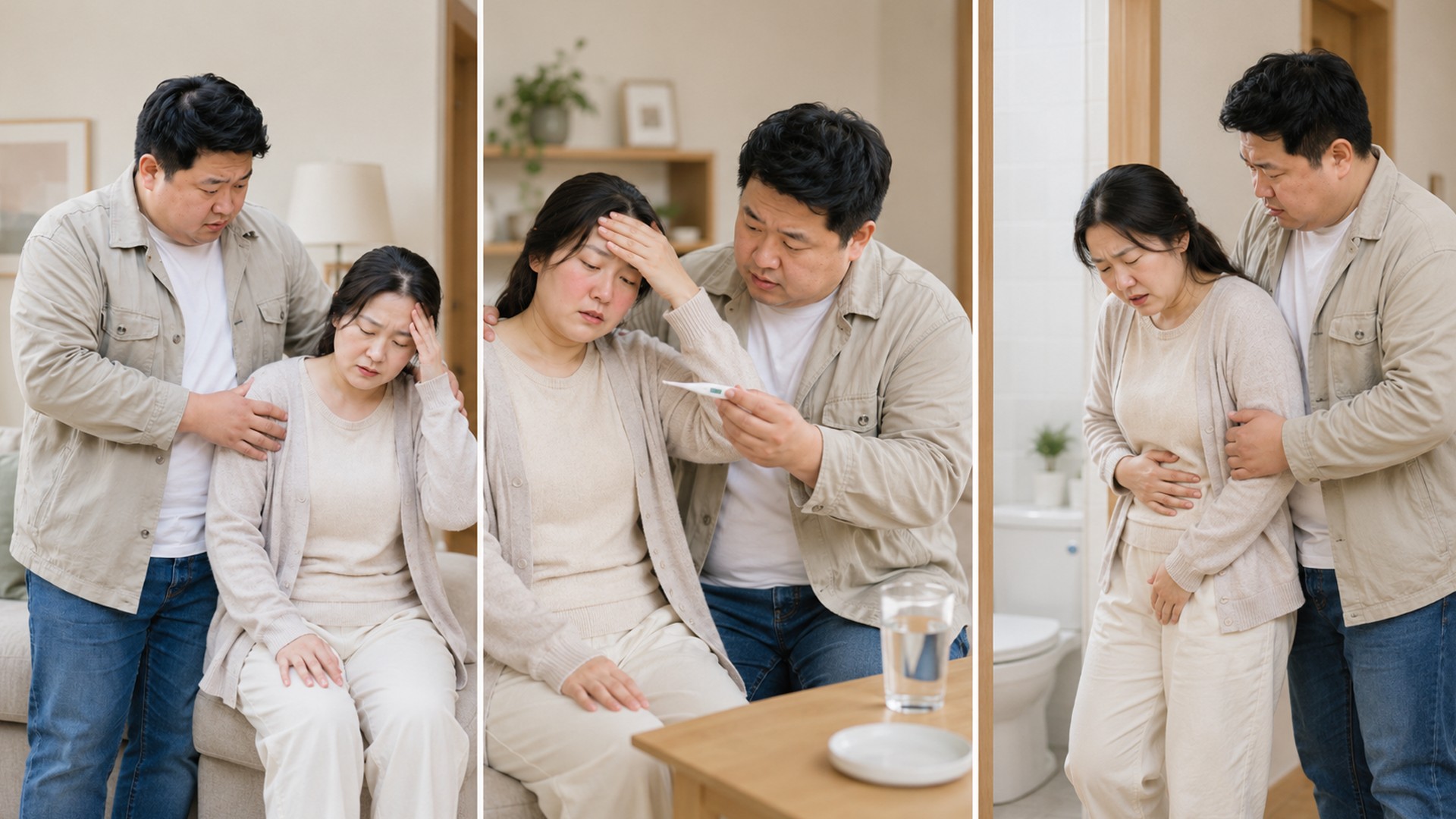
If the patient is fully conscious, able to communicate normally, and has no difficulty breathing, basic first aid and observation may be appropriate while waiting to see a doctor during regular clinic hours.
Fever in adults or older children (without drowsiness or seizures) : Use lukewarm sponging to help reduce the fever, take paracetamol as appropriate, and drink sufficient amounts of clean water.
Diarrhea, vomiting, or loose stools (without signs of shock) : Take small, frequent sips of oral rehydration solution (ORS) to prevent dehydration, provided there is no dizziness, palpitations, or fresh blood in the stool.
Headache or general muscle pain : Mild to moderate pain that is familiar and not accompanied by blurred vision, facial drooping, or weakness in the arms or legs may initially be monitored at home.
Minor abrasions or minor bleeding : Clean the wound with clean water, apply pressure to stop the bleeding, and cover it with sterile gauze. If the bleeding stops on its own, the injury can generally be monitored.
What Warning Signs Require Immediate Treatment in the Emergency Room (ER)?
If any of the following warning signs occur, regardless of the time of day, do not delay seeking medical attention. Take the patient to a hospital or call an emergency medical service immediately.
Which People at Home Require Extra Caution at Night?
Older adults (60 years and above) : They may not always develop a high fever. Instead, they may present with drowsiness, sudden confusion, or difficulty walking.
Infants and young children (0–3 years) : They are at risk of febrile seizures and may develop breathing difficulties more rapidly than adults.
People with chronic medical conditions : This includes people with diabetes, hypertension, kidney disease, and heart disease, whose ability to adapt to complications may be reduced.
Recognizing Small Changes Before Bedtime Can Help Prevent a Middle-of-the-Night Emergency Paying attention to subtle changes before going to bed can help reduce the risk of a medical crisis during the night.
Physical warning signs
Swelling in the shins or the tops of the feet
Vertigo or dizziness when changing position
Unusual abdominal bloating or discomfort after a late-night meal
Potential hazards in the home:
Insufficient lighting along the pathway
Wet or slippery bathroom floors
24-Hour Emergency Medical Center
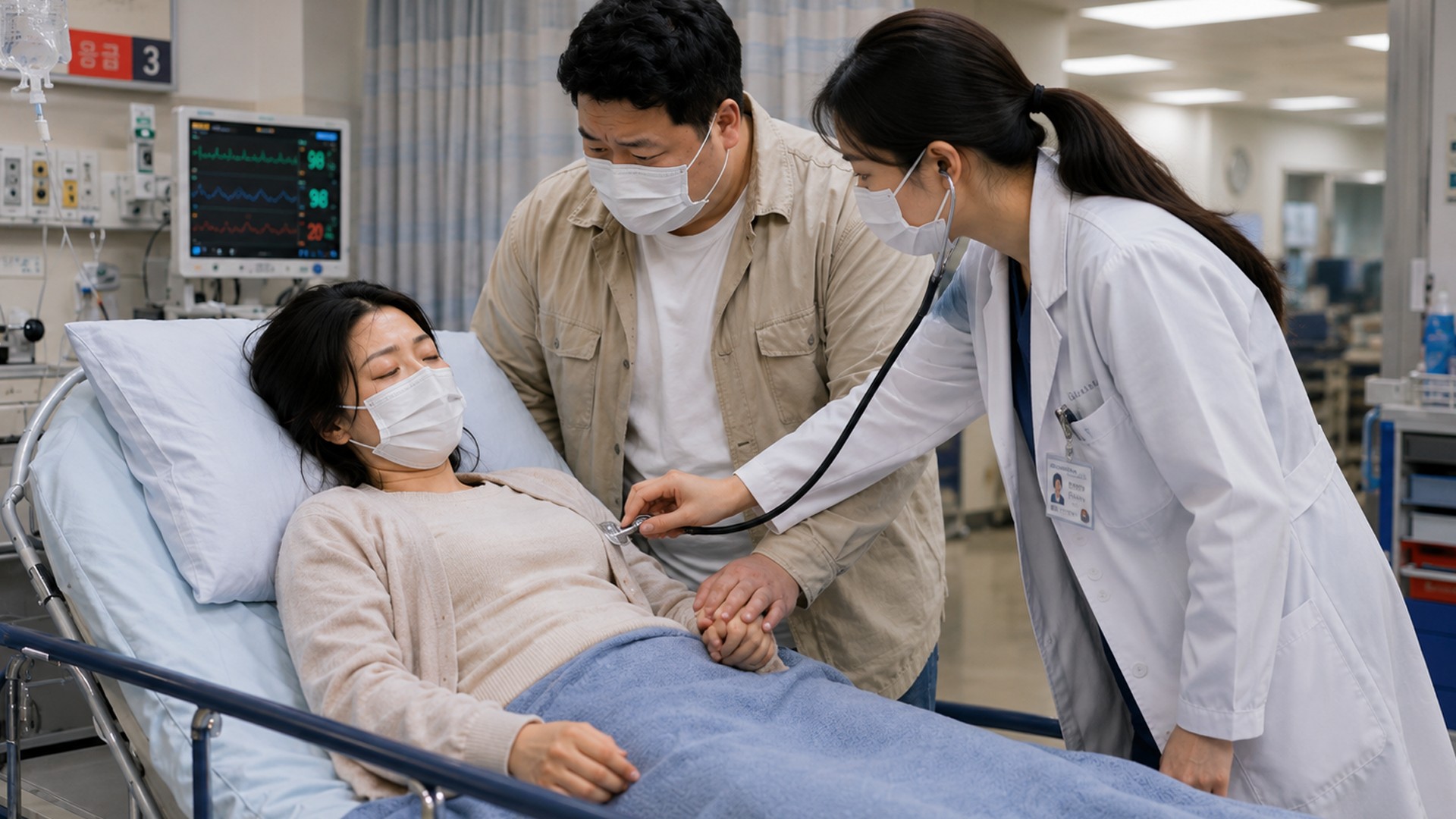
Our hospital is ready to provide care for health emergencies 24 hours a day, supported by an emergency medical system that meets international standards.
1. Emergency Triage System and 24-Hour Specialist Medical Team
Upon arrival at the Emergency Room, patients receive an immediate severity assessment by professional nurses. Critically ill patients are prioritized for prompt treatment, with emergency physicians available around the clock.
2. Advanced Emergency Care Technology
Fast-Track Services: Dedicated Stroke Fast-Track and Chest Pain Fast-Track systems are available, supported by advanced diagnostic facilities, including angiography, computed tomography (CT), and magnetic resonance imaging (MRI).
Preparation and First Aid Before Arriving at the Hospital
What to Do Upon Arrival at the Emergency Room
Provide the triage nurse with accurate information about the patient’s initial symptoms, the exact time they began, and any underlying medical conditions.
Thonburi Thawiwatthana Hospital is committed to providing comprehensive healthcare with genuine care and understanding of your concerns. We are here to support you and your family whenever you need us, with a 24-hour Emergency Medical Center staffed by experienced physicians, surgeons, and specialized emergency nurses. Our emergency medical rescue ambulances are also ready to respond immediately, ensuring that every member of your family receives prompt, safe, and high-quality medical care whenever an emergency occurs.