




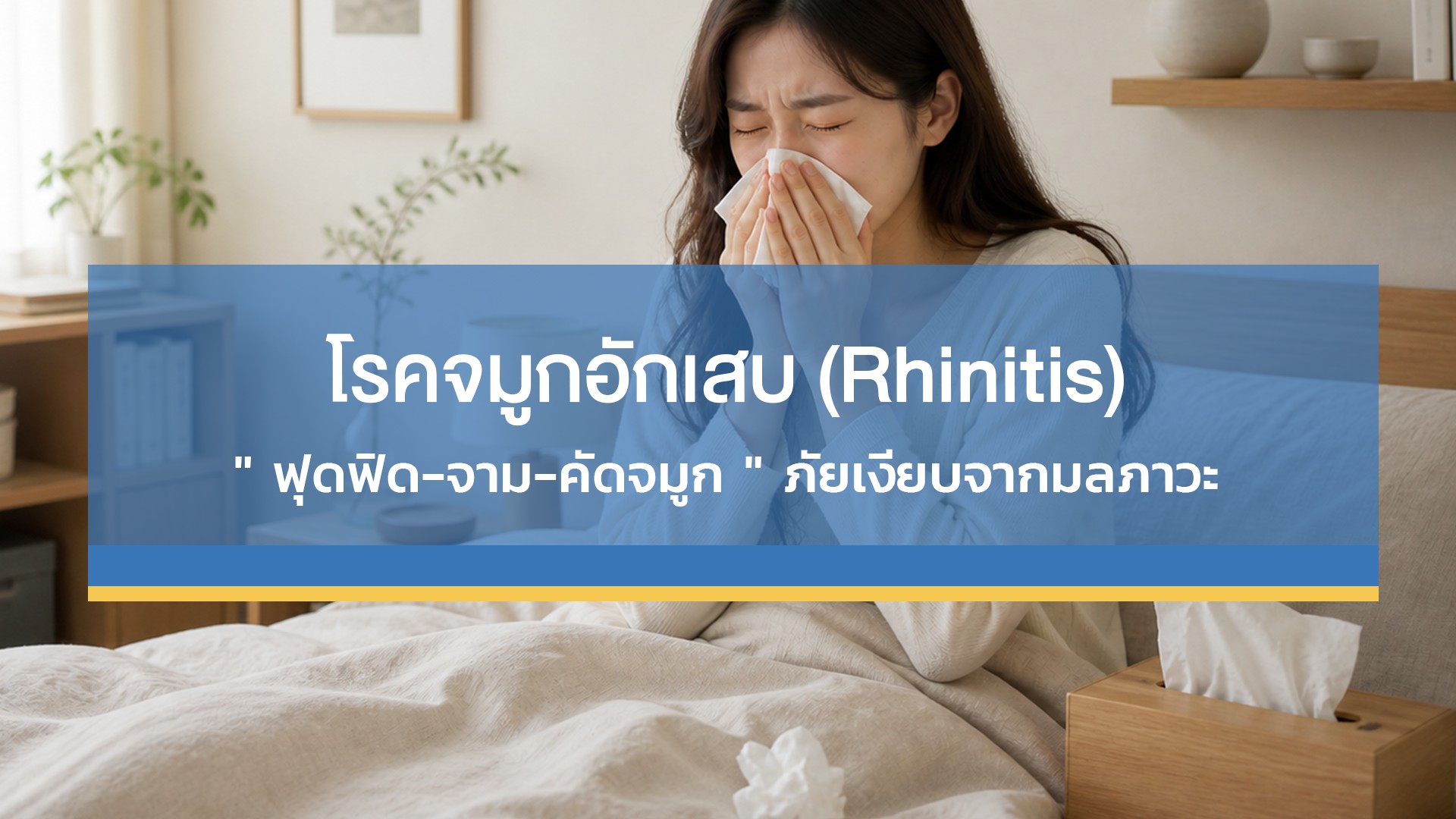
Rhinitis : “Sniffling, Sneezing, and Nasal Congestion” — A Silent Threat from Air Pollution That City Dwellers Should KnowRhinitis is inflammation of the nasal lining that can cause sneezing, nasal congestion, runny nose, and an itchy nose. It is generally divided into two main types: Allergic Rhinitis, triggered by allergens such as dust mites and pollen, and Non-allergic Rhinitis, which can be triggered by air pollution, changes in temperature, or hormonal changes.Treatment may range from avoiding triggers and using topical medications to advanced technologies such as radiofrequency (RF) treatment, which may help reduce chronic nasal swelling.Current treatment options also include advanced procedures such as Functional Endoscopic Sinus Surgery (FESS), which allows doctors to precisely treat sinus disease and help restore more comfortable nasal breathing.
The First Step: Distinguishing a Common Cold from Early SinusitisIf left untreated or poorly managed, persistent nasal symptoms may progress into a chronic problem. Recognizing the early warning signs is therefore important.
Early Symptoms: Warning Signs Before Sinusitis Develops
Sinusitis often does not occur suddenly. It may gradually develop following persistent nasal symptoms such as:
A Prolonged Cold: It may begin with a common cold and clear nasal discharge, but instead of improving within 5–7 days, symptoms persist and the mucus may become cloudy white, yellow, or green.
Worsening Nasal Congestion: The nose may feel constantly blocked, making it necessary to breathe through the mouth and sometimes causing a nasal or congested voice.
Facial Pressure or Heaviness: A dull ache or pressure may develop around the inner corners of the eyes, cheeks, or forehead, particularly when bending forward or changing position quickly.
Persistent Postnasal Drip: Mucus draining down the throat may cause throat irritation and frequent throat clearing, especially in the morning after mucus has accumulated overnight.
Changes in Taste and Smell: Food may seem less flavorful, or your ability to smell may become weaker than usual.
Early sinusitis may develop following a cold or allergic rhinitis, particularly when nasal congestion persists for more than 10 days and is accompanied by facial pain or pressure. The risk of recurrence depends on how well the underlying triggers are controlled, particularly managing allergic rhinitis and maintaining regular, proper nasal irrigation, which can help keep the nasal passages clear and support normal mucus drainage.
Who Is at Higher Risk?
People with Allergic Rhinitis: Chronic allergic inflammation can cause swelling of the nasal lining and interfere with sinus drainage.
People with Abnormal Nasal Anatomy: Conditions such as a deviated nasal septum or nasal polyps may contribute to impaired sinus drainage.
People with Weakened Immune Systems: Certain medical conditions or medications that affect immune function may increase the risk of infections.
People with a History of Upper Tooth Infections: Infections involving the upper molars can sometimes spread to the nearby maxillary sinus.
Smokers and People Exposed to Secondhand Smoke: Tobacco smoke, including exposure to cigarette and electronic cigarette aerosols, can irritate the nasal passages and respiratory tract.
What Can Cause Inflammation to Persist?
One important factor is obstruction of the sinus openings, which can interfere with normal mucus drainage. Contributing factors may include inflammation related to allergies, infections, nasal polyps, structural abnormalities, and exposure to air pollution.Proper nasal care and appropriate medical treatment can help relieve symptoms and reduce the risk of recurrent inflammation. Severe sinus infections can rarely spread to nearby structures, including the tissues around the eyes or, in very serious cases, the membranes surrounding the brain. Prompt medical evaluation is important when severe or unusual symptoms occur.
Treatment Technology : From Medication to Endoscopic Sinus Treatment
Today, there are several effective treatment options. Doctors select the most appropriate approach based on each patient's symptoms, examination findings, and underlying condition.
1. Medical Treatment Treatment may include topical nasal corticosteroid sprays, saline nasal irrigation, and antibiotics when bacterial infection is suspected or otherwise medically indicated.
2. Functional Endoscopic Sinus Surgery (FESS) When appropriate medical treatment does not adequately control chronic sinus disease, FESS may be considered. Using an endoscope, the surgeon can access and treat the affected sinus areas and improve sinus drainage.
Potential benefits include:
No external surgical incision
Minimally invasive approach
May help improve sinus drainage and nasal breathing
3. Balloon Sinuplasty Balloon sinuplasty uses a small balloon catheter to gently widen certain sinus drainage pathways. It may be suitable for selected patients, depending on the type and location of sinus disease. The decision should be made by an ENT specialist after a thorough evaluation.
How to Care for Yourself Before and After Treatment
Before Treatment or Surgery
Keep a record of your symptoms and medications to discuss with your doctor.
If you smoke, discuss smoking cessation with your doctor. Stopping smoking before a procedure may support better recovery.
Learn and practice proper nasal irrigation techniques according to your healthcare provider's instructions.
After Treatment or Surgery
Continue regular nasal irrigation: This may help clear mucus and support healing and normal drainage. Follow your doctor's specific instructions.
Avoid potential irritants: Avoid picking or irritating the nose, strenuous activities, and areas with heavy dust or pollution during the initial recovery period, as advised by your doctor.
Attend follow-up appointments: Regular follow-up allows your doctor to monitor healing and the condition of the nasal and sinus lining.
Can Sinusitis Come Back After Treatment?
One of the most common questions patients ask is: “Will sinusitis go away permanently after treatment?”
The honest answer is that sinusitis can recur, particularly if the underlying risk factors remain. However, appropriate treatment and long-term management can help reduce symptoms and the risk of recurrence.
Factors That May Contribute to Recurrence
1. Underlying Allergic Rhinitis : If allergic rhinitis is not well controlled, repeated swelling of the nasal lining may interfere with sinus drainage.
2. Nasal Structure : A deviated nasal septum, nasal polyps, or other structural problems may contribute to recurrent obstruction in some patients.
3. Air Pollution and Environmental Irritants : Exposure to high levels of PM2.5, cigarette smoke, or certain chemicals can irritate the nasal passages and contribute to inflammation.
4. Long-Term Self-Care and Treatment Adherence : Following your doctor's treatment plan and maintaining recommended nasal care are important for long-term symptom control. Do not stop prescribed nasal medications or other treatments on your own simply because symptoms have improved.
Thonburi Thawiwatthana Hospital is committed to providing comprehensive care for patients with nasal and sinus conditions.Our Ear, Nose and Throat (ENT) specialist team provides thorough evaluation and individualized treatment, with access to advanced RF (Radiofrequency) technology. The system allows precise control of energy delivery, helping doctors target the appropriate tissue while minimizing potential effects on surrounding areas.A detailed diagnostic assessment is performed before treatment to determine whether RF treatment is appropriate for each patient.Our goal is not simply to treat the disease, but to design a personalized treatment approach that best fits your lifestyle and individual needs.