





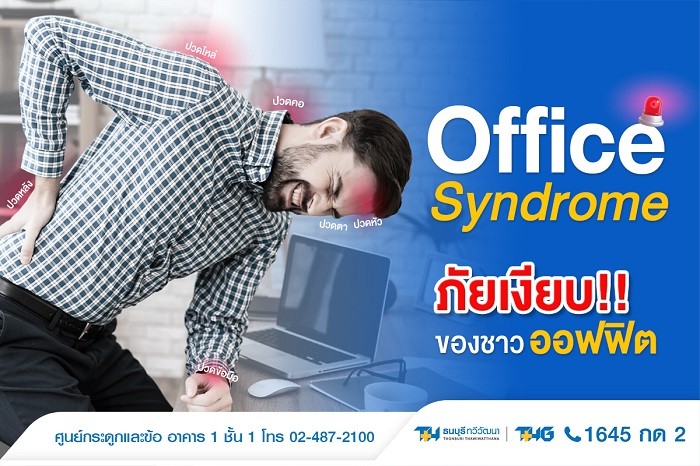
Many people mistakenly believe that unexplained neck, back, and headaches are normal daily occurrences that will resolve on their own without medication, treatment, or consultation. However, these symptoms are actually dangerous warning signs of "Office Syndrome," a prevalent ailment currently plaguing office workers.
This syndrome is common among office workers who are constantly racing against time, experiencing work-related stress, and working in unsuitable environments. Prolonged sitting without physical movement often results in muscle inflammation and pain in various body parts such as the back, shoulders, arms, and wrists. If left untreated, it can lead to chronic muscle inflammation and spinal structural abnormalities.
Currently, up to 60% of office workers rely on medication or seek medical attention for these symptoms. The changing urban lifestyle has led to increased competition, with people constantly working and neglecting their physical health. Over 10% of city dwellers are at risk of developing office syndrome or computer syndrome, primarily caused by work habits, which can lead to various other health problems.
Risk factors contributing to common office-related illnesses.
There are two approaches to treatment:
1. Treating the symptoms Doctors will prescribe pain relievers or muscle relaxants to temporarily alleviate pain, but these medications have a relatively short duration of action. Once the effects wear off, the symptoms usually return.
- Providing treatment through physical therapy. This is another approach used for individuals with such problems and symptoms. A physiotherapist will examine and assess the symptoms, analyze the root cause of the problem, and provide treatment using physiotherapy methods, tools, and techniques appropriate to the individual's condition. This includes advice on exercise and self-care to prevent such problems, but it takes a long time for the symptoms to disappear. Whether it's a complete cure or a recurrence depends on your lifestyle choices.
- Acupuncture is another treatment option used to reduce pain, spasms, and muscle tension. The acupuncturist must be a physician or someone who has received proper training and will insert needles into the affected areas, and may also use electrical stimulation.
Furthermore, many people enjoy treatments such as massage, acupressure, relaxation techniques, muscle manipulation, stretching, and various spa massage options, depending on individual preference and comfort. Many people often ask if massage is acceptable or if it's an incorrect treatment method. The answer is no, it's perfectly fine to use massage for treatment. However, it's important to choose and consider the masseur and the massage method carefully, ensuring they have the knowledge, skill, and can choose a method suitable for you.
2. Treating the root cause of the problem, also known as "Active Therapy" This approach provides more comprehensive and longer-lasting treatment results with a very low chance of recurrence, although it requires continuous treatment. This treatment focuses on restoring the abnormal structure. This addresses the root cause of the problem using restructuring techniques.
The treatment corrects body balance and improves muscle strength in various parts of the body, analyzing and targeting specific areas of abnormality to reduce pain and prevent recurrence.
However, the best approach to avoiding such illnesses is prevention, starting early. This involves making changes to lifestyle habits, adjusting the work environment to be more suitable (it is recommended to avoid sitting in front of a computer or working for long periods, and to get up and change posture every hour). At the same time, regular exercise is essential to keep muscles moving and relaxed. This will effectively relieve pain, stiffness, and tension in the neck, shoulders, back, waist, legs, and calves. Don't say you don't have time; exercise can be done anywhere, anytime. You can even do it while sitting at your desk.
If you are in a high-risk group or experience any of the symptoms mentioned above, know that you may be trending towards the popular "office syndrome." Take some time to examine your body for any abnormalities; this will help you recognize the warning signals your body is sending, indicating the need to pay attention to your health. Before it's too late, treating back pain, neck pain, and office syndrome, including correcting poor posture (hunchback, rounded shoulders, protruding belly), and scoliosis, through exercise, proper work, and daily lifestyle choices, can help address the root cause of the problem. The choice is yours: treat or prevent.