



A new treatment method that uses concentrated platelets from the patient's own body
to help reduce pain, regenerate tissue, and accelerate the natural repair process
PRP คืออะไร ?
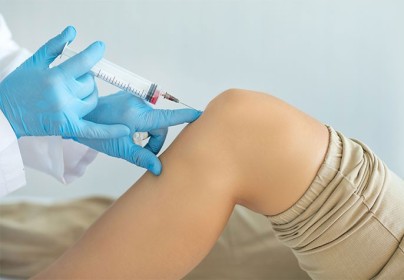
PRP (Platelet-Rich Plasma) is a concentrated form of platelet-rich plasma, abundant in growth factors and tissue repair agents. PRP therapy utilizes the body's natural mechanisms to regenerate joints, bones, tendons, and soft tissues surrounding body structures.
Steps for doing PRP
Benefits of PRP
spine : Reduces lower back pain and helps repair soft tissue.
joint pain : Treats chronic conditions resulting from tendonitis, such as in the elbow, shoulder, or hip.
Tendon injury : Accelerate the tendon repair process.
Considerations
result : PRP helps relieve symptoms, it is not a cure. Results vary from person to person.
duration of treatment : Typically 2–3 times, spaced 3–4 weeks apart.
Limitations : Not suitable for individuals with platelet problems, sepsis, or a history of cancer.
Frequently Asked Questions (FAQ)
Q1 : Is PRP safe?
PRP uses the patient's own blood, making it safe and reducing the risk of allergies or infections. However, it must be performed by a qualified physician in a clean environment.
Q2 : When will I see results?
Some people begin to see pain relief within 2–4 weeks, while full effects may take several months, depending on the severity of symptoms.
Q3 : How many PRP injections are needed?
Typically, 2–3 treatments are given 3–4 weeks apart, but the doctor may adjust the schedule based on your physical condition and the severity of the illness.
Q4: Are there any limitations?
Not recommended for individuals with platelet problems, infections, or a history of cancer. Consult a specialist.
If you experience pain or injury to your bones and joints, especially osteoarthritis of the knee, you should consult a specialist for diagnosis and appropriate treatment planning. PRP therapy is a safe option that utilizes the body's natural mechanisms for tissue regeneration.